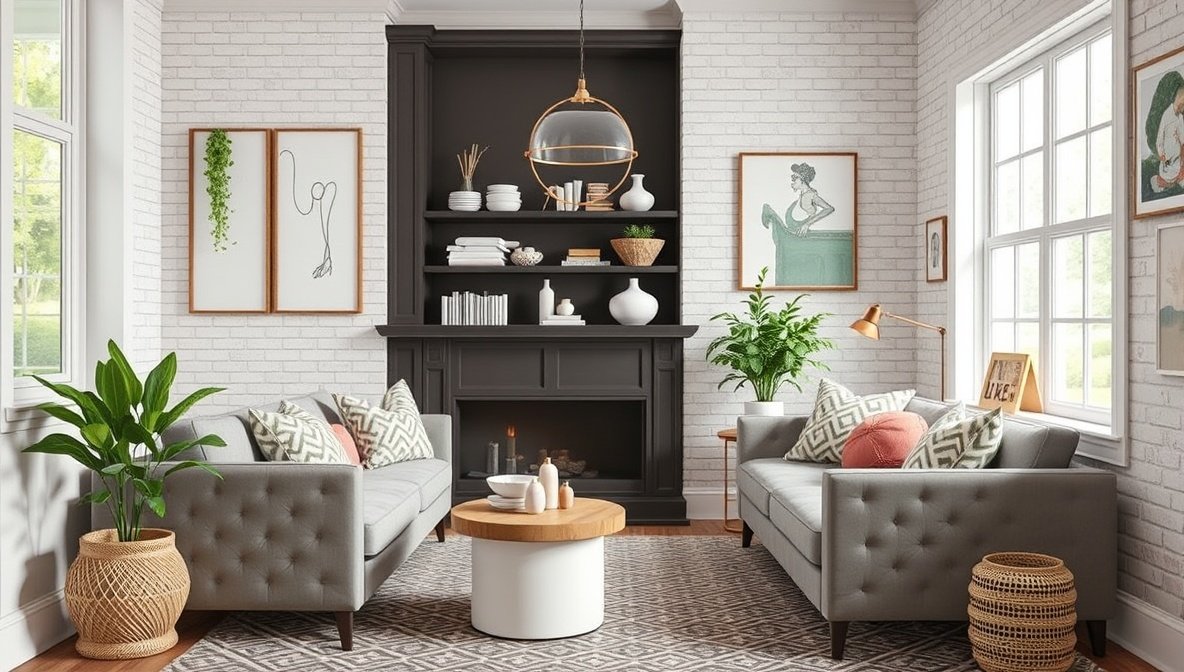
Most renovation advice stops at “make a plan” and “set a budget.” This guide to decoradhouse renovation tips from decoratoradvice goes further by putting dollar figures, sequences and real decision rules behind each tip. It is built around the practical themes homeowners associate with that phrase: function before decoration, a budget that survives surprises, and room-by-room priorities. It does not claim to quote the site directly. Every cost figure below is a rough US planning range, not a quote, so confirm numbers with local bids before you commit.
Why Most Renovation Advice Fails Homeowners
Generic tips fail because they skip the three things that actually decide whether a project goes well: money, order and risk.
- Money: Almost every renovation costs more than planned, and advice that never mentions a contingency fund leaves you exposed.
- Order: Work done in the wrong sequence means tearing out new finishes to reach pipes or wiring.
- Risk: Permits, lead paint and hidden damage can stop a job cold if nobody checked first.
The rest of this article tackles each of these directly, with tables and checklists you can copy into your own planning notes.
Start With Function, Not Finishes
The most repeated principle in decoradhouse renovation tips from decoratoradvice is that a room has to work before it can look good. A gorgeous kitchen with poor workflow is still a bad kitchen. decoratoradvice .com
Build Your Problem List First
Before you open Pinterest, walk through every room and write down what annoys you daily. Be specific.
- Doors that hit furniture when they open
- Outlets in the wrong places or not enough of them
- Poor lighting where you cook, read or work
- Storage that forces you to keep things on counters
- Drafty windows, cold rooms or high energy bills
- Water stains, soft floors or musty smells
Anything that involves water, electricity, structure or air quality goes to the top of the list. Cosmetic items come last.
Sort Every Item Into Three Buckets

| Bucket | What belongs here | Examples |
|---|---|---|
| Fix now | Safety and damage issues | Leaks, outdated wiring, rot, mold |
| Improve | Daily function and comfort | Layout changes, lighting, storage, insulation |
| Decorate | Style and finishes | Paint colors, hardware, decor, furniture |
Spend your money in that order. If the budget runs short, the decorating bucket is the one that gets trimmed, not the first one.
Build a Budget That Survives Reality
A budget is not a single number. It is a split across categories with a reserve held back for surprises.
A Sample Budget Split
For a mid-size project, a split like this keeps spending balanced. Adjust the percentages to your scope.
| Category | Share of total budget |
|---|---|
| Labor | 35–40% |
| Materials and fixtures | 30–35% |
| Permits, design and fees | 5–10% |
| Appliances and furnishings | 5–10% |
| Contingency reserve | 10–20% |
The Contingency Math Nobody Shows You
Telling someone to “add a buffer” is easy. Here is how it works in practice.
Say your total renovation budget is $40,000. A 15% contingency means $6,000 is locked away and not allocated to anything. Your working budget is $34,000.
Now imagine your contractor opens a wall and finds outdated wiring that has to be replaced, costing $3,200. You use part of the reserve, still have $2,800 left, and the project continues. Without that reserve, you would be borrowing, cutting scope or stopping work.
Older homes should lean toward 20%. Newer homes with simple scopes can often work with 10%.
Rough US Cost Ranges to Plan Around
These are ballpark ranges for planning only. Prices swing widely by city, finish level and contractor availability.
| Project | Typical planning range |
|---|---|
| Mid-range kitchen remodel | $25,000–$75,000 |
| Full bathroom remodel | $10,000–$30,000 |
| Bedroom refresh (paint, floors, lighting) | $2,000–$8,000 |
| Interior painting, per room | $400–$1,500 |
| New flooring, installed, per square foot | $3–$15 |
| Replacing a set of windows | $5,000–$20,000 |
Use these only to check whether a bid looks reasonable. A quote far below the range deserves questions, and one far above deserves a second opinion.
Permits, Codes and Inspections in the US
Permit rules are set by your city or county, so they differ from place to place. Still, there are patterns worth knowing.
When You Usually Need a Permit

- Structural changes such as removing or moving walls
- New or changed electrical circuits
- Plumbing changes, including moving fixtures
- HVAC replacement or new ductwork
- Additions, decks and new windows that change opening sizes
- Roofing in many jurisdictions
When You Usually Do Not
- Interior painting
- Replacing flooring without structural work
- Swapping cabinet hardware or light fixtures like for like
- Basic landscaping
Why Skipping Permits Backfires
Unpermitted work can surface when you sell, file an insurance claim or apply for a refinance. Inspectors may require you to open finished walls so they can see the work. Call your local building department before you start and ask what your specific project needs.
Older Homes Carry Extra Rules
If your house was built before 1978, lead-based paint may be present. Federal rules require contractors who disturb painted surfaces in pre-1978 homes to be lead-safe certified. Homes from before the 1980s may also contain asbestos in flooring, insulation or ceiling materials, so test before demolition rather than after.
Hiring Contractors Without Getting Burned
Hiring is where many projects are won or lost. One of the more useful decoradhouse renovation tips from decoratoradvice is to treat the contractor decision as seriously as the design decision.
A Vetting Checklist
- Get at least three written bids for the same scope
- Verify the license with your state licensing board
- Ask for proof of liability insurance and workers’ compensation
- Call two or three recent clients, not just the references on the website
- Look at finished projects of similar size
- Confirm who is actually on site day to day
How to Read a Bid
A good bid is detailed. If it says “kitchen remodel, $48,000” and nothing else, ask for a breakdown. Look for:
- Itemized labor and materials
- Which items are allowances, such as tile or fixtures, and the dollar amount of each
- What is excluded, such as permits, debris removal or painting
- A realistic start date and completion window
Contract Terms That Protect You
| Term | Why it matters |
|---|---|
| Written scope of work | Prevents arguments about what was included |
| Payment tied to milestones | Keeps you from paying for work not yet done |
| Change order process | Any added work gets priced and signed before it happens |
| Lien waivers | Protects you if the contractor fails to pay subcontractors |
| Warranty terms | Defines who fixes problems and for how long |
Check your state’s rules on deposits. Many states cap how much a contractor can request before work begins.
Room-by-Room Renovation Priorities
Applying decoradhouse renovation tips from decoratoradvice room by room means asking what each space has to do first and what it should look like second.
Kitchen
The kitchen returns the most daily value, and it also eats budget fastest.
- Fix the work triangle between stove, sink and refrigerator before choosing finishes
- Keep plumbing and gas in their current locations when you can, since moving them adds cost quickly
- Spend on cabinet quality and drawer hardware, which you touch every day
- Choose durable countertops over trendy ones
- Add task lighting under cabinets
- Plan for at least one more outlet than you think you need
Bathroom
- Waterproofing is the one place not to cut corners, because failures hide behind tile
- Ventilation matters as much as the fan rating; make sure it vents outdoors
- Choose slip-resistant floor tile
- Keep the layout if the budget is tight, and upgrade the vanity, lighting and fixtures instead
Living Areas and Bedrooms
- Lighting changes a room more than new paint does; layer ambient, task and accent lighting
- Flooring is the biggest visual and cost decision, so make it early
- Built-in storage often beats buying more furniture
- Paint last, after dust-heavy work is finished
The Order of Work
Sequence matters more than most homeowners realize. Doing steps out of order is one of the most common reasons costs climb.
| Phase | What happens | Typical duration |
|---|---|---|
| Planning and permits | Design, bids, approvals | 2–8 weeks |
| Ordering long-lead items | Cabinets, windows, custom pieces | 4–12 weeks lead time |
| Demolition | Removal and debris cleanup | Days to 1 week |
| Structural and rough-in | Framing, plumbing, electrical, HVAC | 1–3 weeks |
| Inspections | Rough-in sign-off before walls close | Scheduling varies |
| Insulation and drywall | Closing walls, taping, sanding | 1–2 weeks |
| Flooring and cabinets | Installation | 1–3 weeks |
| Finishes | Paint, trim, fixtures, hardware | 1–2 weeks |
| Final inspection and punch list | Fix small defects | 1 week |
Order cabinets and windows before demolition begins. Waiting weeks for a delivery while your kitchen is already torn out is one of the most frustrating and avoidable delays.
Mistakes That Cost the Most
Experienced renovators tend to agree on the expensive errors. Here are the ones to avoid, with what they typically cost you.
| Mistake | What it costs |
|---|---|
| Changing the scope mid-project | Change orders, delays and rework |
| Moving plumbing or gas lines casually | Thousands in added labor |
| Skipping the contingency fund | Forced loans or unfinished rooms |
| Letting a trade cut into structure without a repair plan | Floor and framing repairs |
| Picking finishes after construction starts | Delays while items are on backorder |
| Choosing the lowest bid with no breakdown | Hidden add-ons later |
| Painting before dust-heavy work is done | Repainting |
One more rule is worth repeating: do not stack too many projects at once. Finishing priority areas in sequence keeps budgets, timelines and quality under control. A half-finished house with every room torn up is stressful and expensive.
Living Through a Renovation

If you can move out, even for part of the project, you will probably save time and frustration. If you cannot, plan around the disruption.
- Set up a temporary kitchen with a microwave, small fridge and induction burner
- Seal off work areas with plastic sheeting and keep air filters running
- Agree on daily work hours and where workers can park
- Keep a weekly check-in with your contractor, in writing
- Store belongings you want protected before demolition begins
Timing the Work Seasonally
Exterior work is best done in dry, mild weather. Interior projects can run in winter without much penalty. If you are reading this in autumn, now is a good time to lock in indoor projects and secure contractors for the slower months, when scheduling is often easier.
Energy Upgrades Worth Doing While Walls Are Open
When walls or floors are already open, certain upgrades cost far less than they would later.
- Air sealing around windows, attic penetrations and rim joists
- Adding or upgrading insulation
- Running extra wiring or conduit for future needs
- Replacing old windows with more efficient ones
- Upgrading to a heat pump or high-efficiency HVAC system
Look up current federal and state incentives before purchasing, since programs and amounts change.
Putting It All Together
The core idea behind decoradhouse renovation tips from decoratoradvice is simple: solve problems before styling, and plan money and sequence before choosing finishes. Use this quick checklist before you break ground.
- Write your problem list and sort it into fix now, improve and decorate
- Set a total budget and lock a contingency of 10–20%
- Confirm permit requirements with your local building department
- Collect three itemized bids and verify licenses and insurance
- Order long-lead items before demolition
- Put scope, payments and change orders in writing
- Schedule inspections before walls close
- Finish decorating last
Follow that order and you will avoid most of the costly surprises that derail home projects.
Frequently Asked Questions
How much should I set aside for unexpected renovation costs?
Plan on 10–20% of your total budget. Older homes with hidden wiring or plumbing issues belong at the higher end.
Do I need a permit for a kitchen or bathroom remodel?
Usually yes if you change plumbing, electrical or structure. Cosmetic updates like paint and fixtures often do not, but your local building department has the final word.
What should I renovate first?
Start with safety and damage issues such as leaks, wiring and rot. Then improve layout and function, and leave decorating for the end.
How many contractor bids should I get?
Get at least three written, itemized bids for the same scope. Compare line by line rather than just the total.
Is it safe to renovate a house built before 1978?
It can be, with precautions. Test for lead paint and asbestos first, and hire contractors who are lead-safe certified.
Can I live at home during a major renovation?
You can, but expect dust, noise and utility shutoffs. Set up a temporary kitchen, seal off work zones and agree on work hours.
Which renovation gives the best return?
It varies by market, but kitchen and bathroom updates, energy efficiency improvements and fixing visible damage tend to appeal most to buyers. Check local sales data before spending for resale.

1 Comment