
A decadent yard is not about spending the most money. It comes from layered planting, good materials, warm lighting, and a layout that makes sense from your windows. This guide applies decadgarden yard tips by decoratoradvice to a typical US property, with plant lists by USDA zone, installed cost ranges, and a maintenance schedule you can follow.
“Decadgarden” is not an established brand or product, so here it means a decadent garden: a yard that feels rich, full, and intentional. The cost figures below are typical US ranges and vary by region and contractor, so get local quotes before you buy.
What Makes a Yard Feel Decadent
Most yards that look expensive share the same few design decisions. None of them depend on a big budget.
Layering
A flat yard looks cheap, and a layered one looks full. Build in at least three heights:
- Canopy: small trees such as Japanese maple, crape myrtle, or serviceberry
- Midlevel: shrubs and large perennials such as hydrangea, boxwood, or Russian sage
- Ground level: low perennials, groundcovers, and edging plants such as catmint or creeping thyme decoradhouse renovation tips from decoratoradvice
Scale and Repetition
Planting one of everything makes a yard look scattered. Landscapers recommend planting groups of the same species in odd numbers such as three, five, seven, or nine, then repeating those groups across the yard. One landscaper tip is to plant in odd numbers and repeat the group throughout your garden for a cohesive effect.
Focal Points
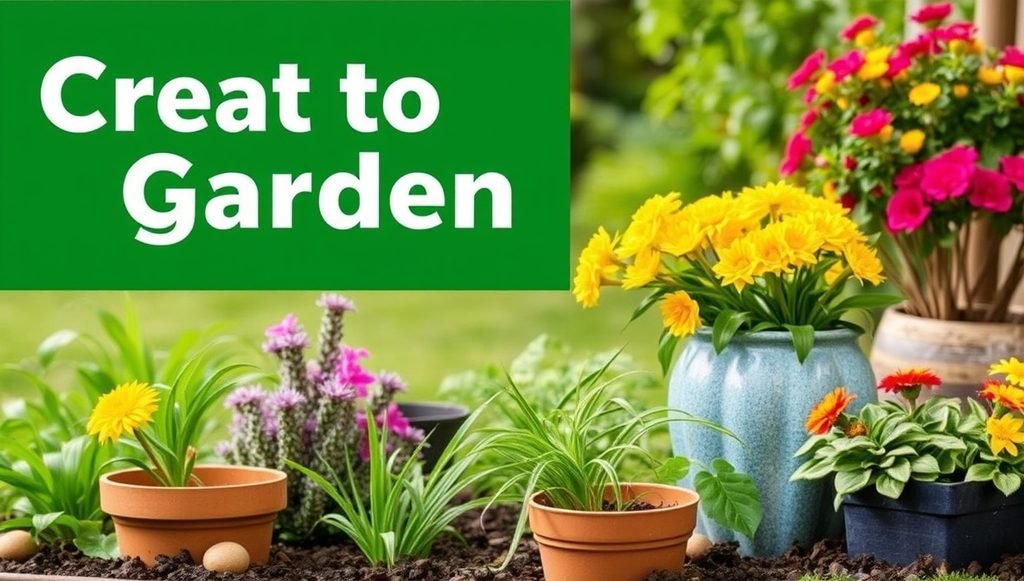
Every view needs one place for the eye to land. Good choices are:
- A specimen tree
- A large container with a bold plant
- A water feature
- A bench at the end of a path
- A pergola with climbing roses or wisteria
Use one main focal point per sightline. Two competing ones cancel each other out.
Read Your Yard Before You Spend Anything
Most wasted garden money comes from buying plants before understanding the site. Spend one weekend on these three checks.
Map the Sun
Check the yard at 9 a.m., noon, and 4 p.m. and mark which areas are in sun or shade. Use these standard definitions when reading plant tags:
| Label | Direct sun per day |
|---|---|
| Full sun | 6 or more hours |
| Part sun / part shade | 4 to 6 hours |
| Shade | Under 4 hours |
Test Soil and Drainage
Dig a hole about 12 inches deep, fill it with water, let it drain, then fill it again. If the second fill takes more than 4 hours to drain, the area has poor drainage and needs raised beds, amended soil, or plants that tolerate wet roots.
Send a soil sample to your state’s cooperative extension office. Most charge a small fee, and the report tells you the pH and what nutrients are missing. Knowing this before planting is cheaper than replacing dead shrubs.
Measure and Sketch
Measure the yard and draw it on graph paper or in a free planning tool. Mark the house, doors, windows, utilities, and any slope. The planting-depth rule from one landscaper source helps here: beds should extend out at least one to two-thirds of the height of your house, which prevents the thin, strip-like borders that make a house look unfinished.
Also look at the yard from inside. Street view matters, but the garden also needs to look good from your windows.
Decadgarden Yard Tips by Decoratoradvice for Planting by USDA Zone
The USDA Plant Hardiness Zone Map tells you which plants survive your winters. Look up your zone by ZIP code on the USDA website, then choose from lists like this one.
| Plant | USDA zones | Sun | Role in the design |
|---|---|---|---|
| Panicle hydrangea (Limelight) | 3–8 | Full to part sun | Midlevel shrub, long bloom season |
| Peony | 3–8 | Full sun | Spring bloom, lush foliage |
| Feather reed grass (Karl Foerster) | 4–9 | Full sun | Vertical accent, winter structure |
| Russian sage | 4–9 | Full sun | Airy purple color, drought tolerant |
| Boxwood | 5–9 | Sun to part shade | Evergreen edging and structure |
| Oakleaf hydrangea | 5–9 | Part shade | Big white blooms, fall color |
| Japanese maple | 5–8 | Part shade | Canopy and focal tree |
| Lavender (English types) | 5–9 | Full sun | Fragrance along paths |
| Crape myrtle | 6–9 | Full sun | Summer bloom, peeling bark |
| Agave (Blue Glow) | 8–11 | Full sun | Sculptural accent, low water |
| Bougainvillea | 9–11 | Full sun | Bold color on walls and trellises |
Zone ranges come from standard nursery and extension references, but varieties differ, so check the tag on the plant you buy. If your yard sits between zones, choose the colder one.
Choose Plants for Three Seasons
Plan for something to look good in each season, not only in June:
- Spring: peonies, bulbs, hellebores
- Summer: hydrangeas, lavender, crape myrtle
- Fall and winter: ornamental grasses, oakleaf hydrangea foliage, evergreen boxwood
Hardscape: Where the Luxury Look Comes From
Plants fill the yard, but paths, patios, and walls give it structure. A good surface under your furniture does more for the look than expensive furniture on bare dirt.

Typical installed costs per square foot in the US:
| Material | Typical installed cost | Best for | Drawback |
|---|---|---|---|
| Gravel | $2–5 | Paths, informal patios | Shifts over time, hard to shovel snow |
| Decomposed granite | $2–5 | Desert and Mediterranean styles | Tracks indoors |
| Poured concrete | $6–15 | Clean modern patios | Cracks, looks plain without staining |
| Concrete pavers | $10–25 | Patios and walkways | Needs a proper base to avoid sinking |
| Natural flagstone | $15–30 | High-end paths and patios | Costly, uneven surface |
A well-built base matters more than the surface material. Most failed patios fail because the base was too thin or poorly compacted.
For the decadent look, mix materials in small amounts. A flagstone patio edged with gravel paths and a low stone wall reads as high-end, even if the wall is only 18 inches tall. This is a core part of decadgarden yard tips by decoratoradvice: spend on the surfaces people touch and see most, and save on the rest.
Lighting That Makes a Yard Feel Expensive
Lighting changes how a yard feels after dark more than any other upgrade. It is also easy to get wrong.
Pick the Right Color Temperature
Use warm white bulbs rated 2700K to 3000K. Cool white lights (4000K and above) make a garden look like a parking lot.
Layer Your Lighting
- Path lights: low fixtures placed about 6 to 10 feet apart, kept low enough to light the ground and not the eyes
- Uplights: aimed at trees and large shrubs to create depth
- Accent spotlights: used on statues, walls, or a water feature
- String lights: over seating areas for ambient glow
- Candles or lanterns: for dinners and special occasions
Solar or Low-Voltage?
| Type | Cost | Brightness | Reliability |
|---|---|---|---|
| Solar | Lowest upfront | Dim, fades in shade or winter | Weakest |
| Low-voltage LED | Moderate | Strong and consistent | High |
| Line-voltage | Highest | Strongest | Requires an electrician |
Solar works for casual accents along a path in a sunny yard. For a main lighting plan, low-voltage LED with a transformer and timer is the best value for most homeowners.
Decadgarden Yard Tips by Decoratoradvice at Three Budget Levels
You can get the decadent look at three spending levels. The totals below are rough estimates for a typical suburban yard, not quotes.
| Level | Typical total | What to prioritize |
|---|---|---|
| Starter | Under $500 | Mulch, a few large containers, string lights, one focal plant |
| Mid-range | $2,000–5,000 | Redesigned beds, a gravel or paver path, low-voltage lighting, layered shrubs |
| Full build | $10,000 and up | Patio, retaining wall or pergola, irrigation, professional design, mature plants |
Under $500: The Starter Refresh
Spend in this order:
- Edge existing beds with a clean spade cut and add 2 to 3 inches of mulch.
- Buy two or three large containers and plant each with one bold plant, such as a grass, a Japanese maple, or a boxwood.
- Add string lights over the seating area.
- Plant one focal shrub, like a hydrangea, where you see it from the kitchen window.
$2,000 to $5,000: The Structured Yard
At this level, you can fix the bones. Replace a lawn strip with a bed, install a gravel or paver path, add low-voltage lighting, and plant layers of shrubs and perennials. One useful money-saving move: pay a designer to draw your landscape plan, then plant it yourself.
$10,000 and Up: The Full Build
This budget covers hardscape, irrigation, and mature plants that look finished immediately. Hire a licensed landscape contractor, get at least three written quotes, and confirm that permits are included in the price.
Regional Adjustments
The same design principles apply everywhere, but plant choices and priorities change with climate.
- Northeast and Upper Midwest: choose cold-hardy shrubs like panicle hydrangea and boxwood, add evergreens for winter structure, and plan for snow load on pergolas.
- Southeast: pick plants that handle humidity and heat, such as crape myrtle and oakleaf hydrangea. Add airflow between plants to cut fungal disease.
- Southwest and desert: use decomposed granite, agave, and drought-tolerant grasses. Shade structures matter more than extra planting.
- Pacific Northwest: use moisture-loving shrubs and ferns, and plan for slugs and wet winters.
- California and the West Coast: check local water restrictions first, then design around drip irrigation and Mediterranean plants like lavender.
Furniture and Finishing Touches
Furniture is the last piece, and it often decides whether the yard feels lived in. Choose pieces for how you actually use the space:
- Dining sets need about 10 by 12 feet of flat space for a small table.
- Lounge seating works better for conversation and relaxing.
- Fire pits need clearance from structures and a check of local burn rules.
- Water features add sound that covers street noise. A small recirculating fountain costs far less than a pond.
Materials worth the money are teak, powder-coated aluminum, and solution-dyed acrylic cushions, because they resist sun and moisture. Cheap steel rusts, and untreated softwood rots quickly.
Maintenance: How Much Work a Decadent Yard Takes
Lush does not have to mean demanding. Choose plants for the time you have, not the photo you saw.
| Style | Typical weekly time in season |
|---|---|
| Container garden with a few shrubs | 1–2 hours |
| Layered beds with drip irrigation | 2–4 hours |
| Formal garden with clipped hedges | 5 or more hours |
Seasonal Checklist
- Spring: cut back dead growth, edge beds, refresh mulch, check irrigation for leaks
- Summer: water deeply and less often, deadhead, watch for pests
- Fall: plant shrubs and trees, mulch, leave grass seed heads for winter interest
- Winter: prune dormant shrubs, service tools, plan next year’s changes
A small time-saving tip: skip raking in lawn areas. Mowing over leaves and leaving them to break down helps keep weeds down.
Mistakes That Make a Yard Look Cheap
These come up often in failed projects:
- Planting too close together. Check the mature width on the tag and space accordingly.
- Planting too deep. Roots can suffocate when plants are set too deep, and collected water can cause rot.
- Ignoring scale. A tiny bench in a large yard looks lost.
- Too many materials. Pick two or three and repeat them.
- Cool white or overly bright lighting.
- Buying everything at once. Build in phases so you can adjust.
An easy pace helps too. As one forum guide on front yard design put it, there is no need to rush and finish the entire yard in one week.
Check Local Rules Before You Build
Many decorative projects need approval you may not expect:
- HOA covenants: restrictions on front-yard plantings, fence height, paint colors, and structures
- Building permits: often required for retaining walls over a set height, decks, and electrical work
- Water restrictions: common in western states, sometimes limiting lawn area and watering days
- Utility lines: call 811 before digging anywhere in the US
Ask in writing and keep the answers. Fixing a violation costs more than a phone call.
DIY or Hire a Pro?
| Task | DIY-friendly? | Notes |
|---|---|---|
| Mulching, planting, edging | Yes | Cheap and low risk |
| Path of gravel or pavers | Yes, with prep | Base preparation is the hard part |
| Low-voltage lighting | Yes | Plug-in transformers make this simple |
| Retaining walls | Sometimes | Hire a pro for walls over about 3–4 feet |
| Irrigation design | Mixed | Drip kits are DIY, full systems often are not |
| Electrical work, gas lines | No | Hire a licensed professional |
| Tree removal | No | Hire an insured arborist |
Frequently Asked Questions
What are decadgarden yard tips by decoratoradvice?
They are a set of practical ideas for building a decadent, high-end looking yard: layered planting, quality hardscape, warm lighting, and a layout based on your actual sun and soil.
How much does it cost to make a yard look luxurious?
A refresh with mulch, containers, and lighting can cost under $500, while a full build with patio, irrigation, and professional design often starts around $10,000.
Which plants give a lush look with little work?
Panicle hydrangea, ornamental grasses, boxwood, and catmint need modest care once established, but always match them to your USDA zone.
What lighting color is best for a garden?
Warm white at 2700K to 3000K looks the most natural and inviting.
Do I need a landscape designer?
Not for small projects, but paying for a drawn plan and planting it yourself can save money on larger ones.
When is the best time to plant?
Fall is best for most shrubs and trees in the US because roots establish before summer heat, though cold climates often plant in early spring.
How do I keep a lush yard from becoming high maintenance?
Use drip irrigation, mulch beds 2 to 3 inches deep, and choose fewer plant types in larger groups.
Final Takeaways
The best decadgarden yard tips by decoratoradvice come down to a short list: know your site, plant in layers and repeated groups, spend on surfaces and lighting, and build in phases. A yard that follows these rules looks polished at any budget, and it stays that way because the plants suit the conditions.
Start with the sun map, soil test, and sketch this weekend. Everything else, from plant lists to lighting, gets easier once you know what your yard can actually support.
