
Las Vegas Boulevard doesn’t sleep, and neither does its traffic. Between tourists renting cars for the first time, rideshare drivers weaving through Strip congestion, and locals working overnight shifts in hospitality, this city creates a unique mix of risk factors you won’t find in most other U.S. metros. Understanding the common causes of car accidents in Las Vegas isn’t just useful information — it’s the first step toward avoiding becoming another statistic on Clark County’s crash reports.
This guide breaks down exactly why crashes happen here, which corridors are the most dangerous, and what makes Las Vegas different from nearly every other American city when it comes to road safety.
Why Las Vegas Has a Unique Car Accident Problem
Most U.S. cities see the bulk of their crashes during daytime rush hours. Las Vegas is the exception. Because of its 24/7 casino economy, overnight shift workers, and nightlife-driven traffic patterns, a significant share of collisions here happen after dark — a pattern that sets the common causes of car accidents in Las Vegas apart from national trends.
Add in millions of annual tourists unfamiliar with local roads, a heavy rideshare presence around the Strip, and a desert climate that behaves unpredictably when it rains, and you get a traffic environment that’s genuinely different from Phoenix, Los Angeles, or any comparable Sun Belt city. www thestripesblog .com
The Numbers Behind the Danger
- The Las Vegas metro area recorded over 176,000 crashes in a recent five-year period, including hundreds of fatal accidents and tens of thousands of injury accidents.
- Fatal crashes tied to failure-to-yield violations have spiked sharply in recent years.
- Impaired driving alone has averaged dozens of deaths per year across the metro area.
- Over 90% of crashes in the city are linked to driver behavior violating Nevada traffic law — meaning most collisions are preventable, not accidental.
Top Common Causes of Car Accidents in Las Vegas
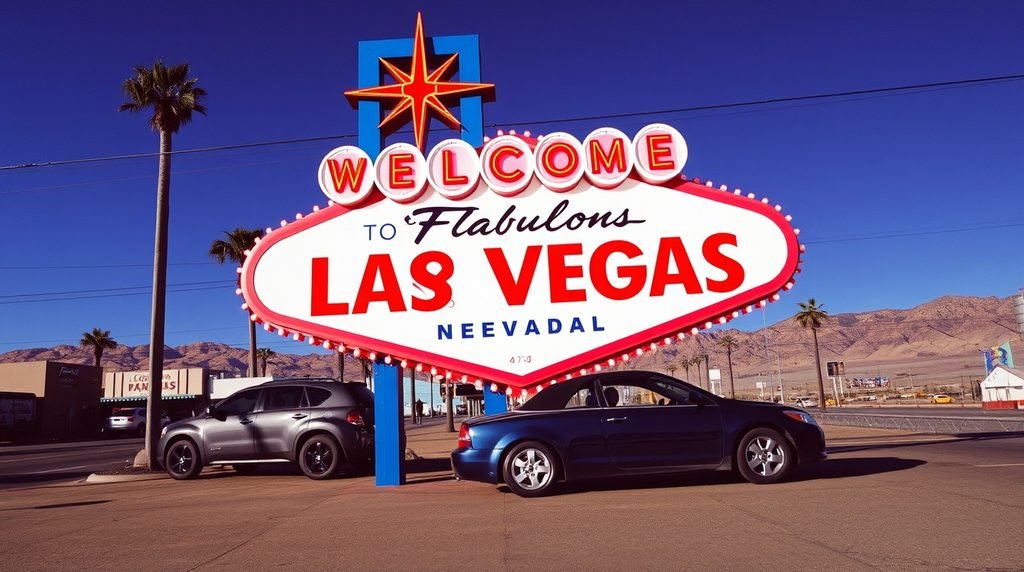
Below is a breakdown of the leading factors behind crashes across Clark County, ranked by how frequently they appear in crash data and legal case reviews.
| Cause | Why It Happens in Las Vegas | Typical Crash Type |
|---|---|---|
| Distracted driving | Tourists checking GPS, locals glancing at casino billboards, texting | Rear-end, intersection collisions |
| Failure to yield | Complex Strip intersections, unfamiliar tourist drivers | T-bone, side-impact |
| Impaired driving | 24/7 bar and casino culture | High-speed, head-on |
| Speeding | Wide, straight roads encourage high speeds | Rollovers, multi-vehicle pileups |
| Drowsy driving | Overnight hospitality shifts, red-eye tourist drives | Single-vehicle, lane departure |
| Aggressive driving/tailgating | Congested Strip traffic, impatient drivers | Rear-end collisions |
| Poor road/weather conditions | Rare rain on oil-slicked desert pavement | Skidding, loss of control |
Distracted Driving
Distracted driving remains one of the most common causes of car accidents in Las Vegas, and the Strip makes this worse than almost anywhere else. Drivers aren’t just texting — they’re looking at billboards, adjusting rideshare apps, filming videos out the window, or trying to read confusing signage while merging across multiple lanes near casino entrances.
A few seconds of inattention at a Strip intersection is often all it takes to cause a serious crash.
Failure to Yield
Failure to yield is frequently cited as a leading cause of fatal crashes in the city. It typically happens at busy intersections, crosswalks, or merge points where drivers — often tourists unfamiliar with local traffic patterns — misjudge right-of-way. This produces some of the most severe collision types, including T-bone impacts at high-traffic Strip cross streets.
Impaired Driving
Vegas’s identity as a party city directly feeds its crash statistics. Impaired driving has consistently ranked as one of the top contributors to serious and fatal accidents in the metro area, with dozens of deaths recorded annually tied to alcohol or drug-impaired drivers.
Speeding
Wide boulevards and long straightaways tempt drivers to exceed posted limits, especially outside the immediate Strip corridor. Speeding reduces reaction time and increases crash severity, making it one of the most consistently dangerous common causes of car accidents in Las Vegas year after year.
Drowsy Driving
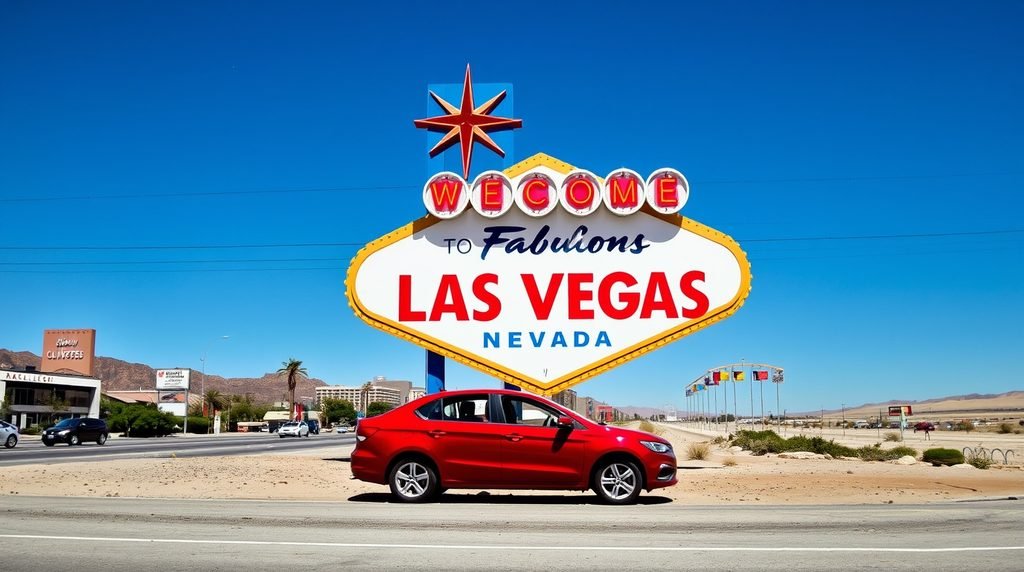
This is a factor most cities don’t deal with at this scale. Because so much of the local workforce operates on overnight hospitality and casino shifts, fatigue-related crashes happen at rates higher than typical for a city this size. Drowsy driving impairs reaction time similarly to alcohol, yet it gets far less attention in most driver-safety conversations.
Aggressive Driving and Tailgating
Dense Strip traffic breeds impatience. Tailgating is one of the most common triggers for rear-end collisions in congested areas, particularly near casino entrances, valet zones, and rideshare pickup points where vehicles stop and start unpredictably.
Poor Road Conditions and Weather
Las Vegas doesn’t get much rain — but when it does, the results can be dangerous. Desert asphalt accumulates oil residue over long dry stretches, and even light rain can make roads dangerously slick. A large share of weather-related crashes in the city happen specifically because of wet pavement rather than heavy storms.
The Las Vegas Strip: A Corridor of Its Own
No discussion of the common causes of car accidents in Las Vegas is complete without addressing the Strip itself. Las Vegas Boulevard behaves differently from any other stretch of road in the city.
What makes the Strip uniquely dangerous:
- Heavy pedestrian crossing volume, often outside marked crosswalks
- Constant rideshare pickup and drop-off activity disrupting normal traffic flow
- Ongoing construction zones near major resorts
- Tourists driving rental cars while distracted by navigation and signage
- Dense intersections like Flamingo Road, Tropicana Avenue, and Sahara Avenue crossing Las Vegas Boulevard
These conditions combine to make certain Strip intersections statistically riskier than typical suburban Clark County roads, and they deserve specific attention when discussing the common causes of car accidents in Las Vegas.
Tourist-Specific Risk Factors
Locals aren’t the only ones behind the wheel here. Millions of visitors drive unfamiliar rental cars every year, and this creates its own category of risk:
- Unfamiliarity with local signage and lane patterns — tourists often miss turn lanes or merge incorrectly at complex intersections.
- Rideshare congestion — Uber and Lyft pickup zones near hotels create sudden stops and merges.
- Jaywalking pedestrians — heavy foot traffic near casinos leads to pedestrians crossing outside designated areas.
- Rental car unfamiliarity — unfamiliar vehicle handling combined with unfamiliar roads compounds reaction-time issues.
- Fatigue from travel — jet lag and long flights contribute to drowsy driving among visitors.
Time of Day and Seasonal Patterns
Unlike most American cities where daytime crashes dominate, Las Vegas sees a disproportionate share of collisions during evening and overnight hours. This ties directly back to the city’s nightlife economy and shift-work culture.
Certain periods also see spikes:
- Major conventions and trade shows (increased daytime congestion)
- Holiday weekends (increased impaired driving)
- Large events like the Formula 1 Grand Prix (road closures and unfamiliar detours)
- Summer heat waves (tire blowouts, mechanical failures)
How to Reduce Your Risk
While you can’t control other drivers, you can reduce your exposure to the most common causes of car accidents in Las Vegas:
- Avoid using your phone at intersections, especially near the Strip
- Build in extra following distance in congested casino corridors
- Check weather conditions before driving, even in a desert climate
- Avoid driving during peak drowsy-driving hours if you’re fatigued
- Be extra cautious near rideshare pickup zones and pedestrian crossings
- Slow down on unfamiliar roads, even if they appear wide and open
What To Do If You’re Involved in an Accident

- Move to safety if possible and check for injuries.
- Call 911 and request police documentation of the crash.
- Photograph the scene, vehicle damage, and any visible road hazards.
- Exchange information with all involved parties.
- Avoid discussing fault at the scene.
- Seek medical evaluation even if injuries seem minor.
Frequently Asked Questions
What are the most common causes of car accidents in Las Vegas?
The leading causes include distracted driving, failure to yield, impaired driving, speeding, drowsy driving, and aggressive driving, with failure-to-yield crashes being especially common at Strip intersections.
Does Las Vegas have more nighttime accidents than daytime accidents?
Yes. Unlike most U.S. cities, Las Vegas sees a higher share of crashes during evening and overnight hours due to its 24/7 nightlife and shift-work culture.
Why are car accidents so common on the Las Vegas Strip specifically?
Heavy pedestrian traffic, constant rideshare pickups, tourist drivers unfamiliar with the area, and ongoing construction all combine to make the Strip corridor riskier than typical city roads.
Is weather really a factor in Las Vegas car accidents?
Yes. Even light rain can make desert roads dangerously slick due to built-up oil residue on the pavement, leading to a disproportionate number of weather-related crashes.
Are tourists more likely to cause accidents in Las Vegas?
Tourists face added risk factors like unfamiliar rental cars, confusing signage, and jet lag-related fatigue, all of which contribute to the broader pattern of common causes of car accidents in Las Vegas.
What time of year sees the most crashes in Las Vegas?
Holiday weekends, major conventions, and large events like the Formula 1 Grand Prix tend to see spikes in crash rates due to increased traffic volume and impaired driving incidents.
Final Thoughts
Understanding the common causes of car accidents in Las Vegas is about more than statistics — it’s about recognizing that this city’s roads behave differently than almost anywhere else in the country. Between the Strip’s unique traffic patterns, a workforce running on overnight shifts, tourists driving unfamiliar rental cars, and a desert climate that turns dangerous the moment it rains, Las Vegas demands a different level of driving awareness than most cities require.
Whether you’re a local navigating daily traffic or a visitor renting a car for a few days, knowing these risk factors — and adjusting your driving accordingly — is the most effective way to stay safe on Clark County roads.

1 Comment